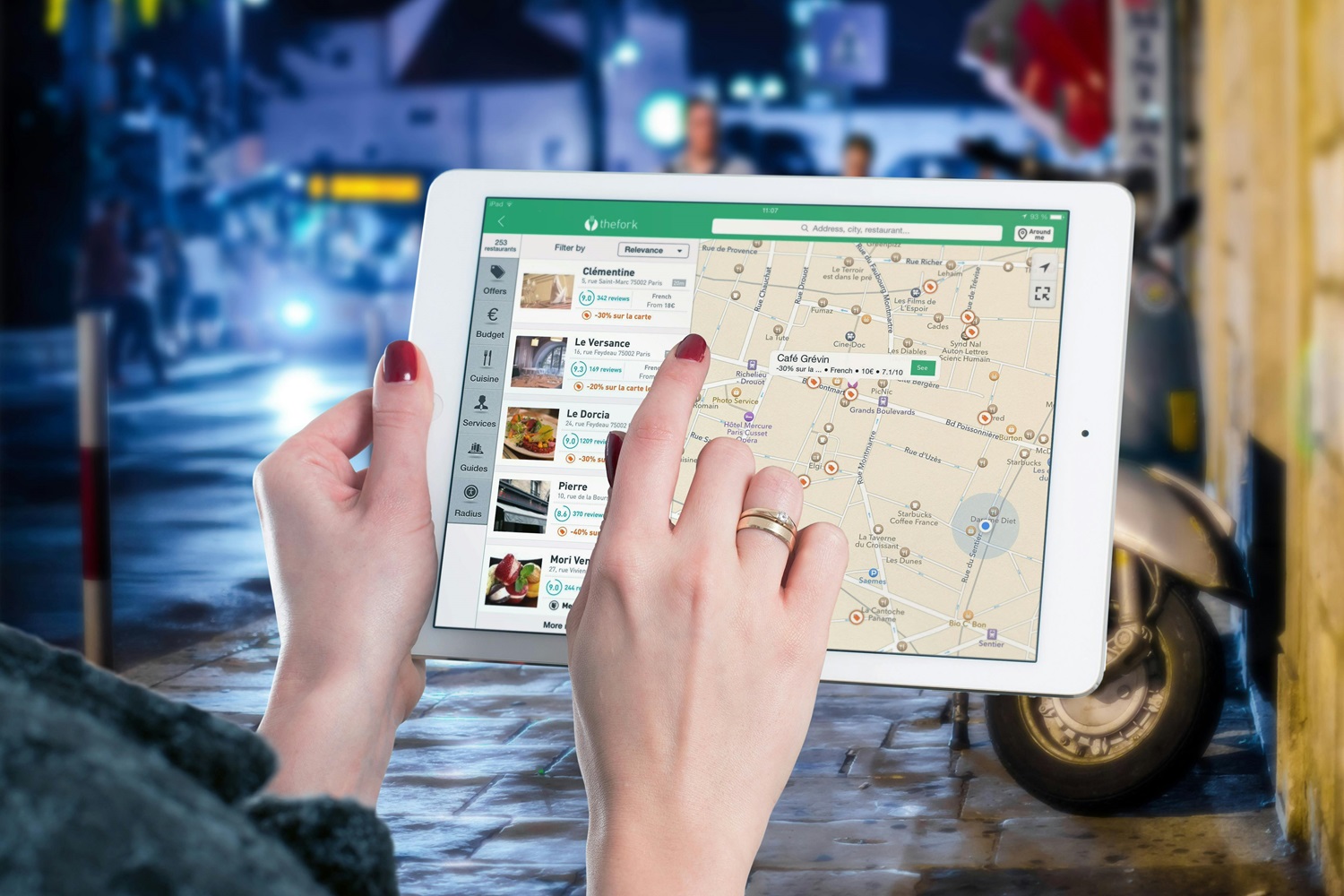
 Your Website Isn’t Always the First Impression Anymore
For years, small business owners believed their website was their digital front door.
In 2026, that’s no longer true.
For most local searches, your Google Business Profile (GBP) is the first — and sometimes only — impression a potential customer sees.
Before someone:
-
clicks your website
-
calls your business
-
fills out a form
They usually see:
-
your business name
-
your star rating
-
your reviews
-
your hours
-
your photos
-
your responsiveness
In many cases, customers make a decision without ever visiting your website.
That’s why Google Business Profile has quietly become the new homepage for local businesses.
How Customers Actually Use Google Business Profile Today
When someone searches for a local service, Google shows them options immediately — often in the map pack or local results.
Customers quickly scan:
-
⭐ Star ratings
-
📝 Review comments
-
📸 Photos
-
🕒 Open hours
-
📍 Distance
And then they choose.
They’re not reading deeply.
They’re evaluating trust and convenience.
If your profile looks inactive, outdated, or ignored, customers subconsciously move on — even if your service is excellent.
What Google Wants From Your Business Profile in 2026
Google’s goal is to show businesses that are:
-
Relevant
-
Active
-
Trustworthy
In 2026, Google rewards businesses that treat GBP as a living profile, not a one-time setup.
Strong-performing profiles typically:
-
Post updates regularly
-
Upload real photos
-
Respond to reviews
-
Keep services and hours accurate
-
Engage with questions and messages
This activity sends a powerful signal:
This business is real, engaged, and reliable.
The Core Elements of a High-Performing Google Business Profile
Let’s break down what actually matters most.
1️⃣ Accurate Business Information
Your name, address, phone number, hours, and service areas must be correct everywhere.
Inconsistencies confuse both Google and customers.
If Google isn’t confident in your information, it won’t confidently show your business.
2️⃣ Reviews (Quantity, Quality, and Recency)
Reviews are one of the strongest trust signals in local search.
Customers don’t just look at your star rating — they read:
-
how recent reviews are
-
what people say
-
how you respond
Businesses that actively respond to reviews appear more professional and trustworthy.
The biggest mistake small businesses make?
Only asking for reviews “when they remember.”
That’s why many businesses use systems like Dubach.io to automatically request reviews after jobs or appointments — ensuring consistency without awkward manual asks.
3️⃣ Photos That Prove You’re Real
Stock photos don’t build trust.
Real photos do.
Photos that perform well include:
-
Your team
-
Your storefront or office
-
Work in progress
-
Before-and-after shots
-
Vehicles or equipment
Active photo uploads signal engagement to Google and familiarity to customers.
4️⃣ Regular Posts and Updates
Google Business Profile posts are often overlooked — but they matter.
Posting updates:
-
Keeps your profile fresh
-
Shows Google ongoing activity
-
Gives customers reasons to engage
Posts can include:
-
Announcements
-
Promotions
-
Tips
-
Seasonal reminders
-
Community involvement
You don’t need to post daily.
Consistency beats frequency.
GBP Is a Conversion Tool — Not Just a Listing
In 2026, Google Business Profile isn’t just about visibility — it’s about action.
Customers can:
-
Call directly
-
Request directions
-
Message you
-
Visit your website
-
Book appointments
That means your GBP should be connected to systems that:
-
Capture leads
-
Respond quickly
-
Follow up consistently
If someone messages your business and hears nothing back, you’ve lost the opportunity.
This is where integration matters.
Platforms like Dubach.io connect Google Business Profile interactions to automated responses and CRM pipelines — turning visibility into real conversations.
How Google Business Profile Fits Into a Larger Marketing System
One of the biggest mistakes small businesses make is treating GBP as a standalone task.
In reality, it should be connected to:
-
Your website
-
Your CRM
-
Your review process
-
Your follow-up systems
Here’s how it should work:
-
Customer finds you on Google
-
Sees strong reviews and activity
-
Takes action (call, message, visit site)
-
Lead enters your system
-
Follow-up happens automatically
-
Review request is triggered after service
When GBP is connected, marketing becomes predictable.
Common Google Business Profile Mistakes to Avoid
In 2026, these mistakes quietly cost businesses leads every day:
-
Ignoring reviews
-
Leaving outdated hours or services
-
Uploading only stock photos
-
Never posting updates
-
Not responding to messages
-
Treating GBP as “set it and forget it”
None of these are hard to fix — they just require structure.
Why Consistency Beats Complexity
You don’t need advanced tactics to win with Google Business Profile.
You need:
-
Accuracy
-
Activity
-
Engagement
-
Consistency
Small businesses that show up, respond, and stay active consistently outperform those chasing shortcuts.
That’s why many owners rely on connected marketing systems — so GBP activity, reviews, and responses don’t depend on memory or spare time.
Final Thoughts: Google Business Profile Is Your First Sales Conversation
In 2026, your Google Business Profile is often the first “conversation” a customer has with your business.
Before they ever speak to you, they’ve already decided:
-
Do I trust this business?
-
Do they look professional?
-
Do they seem responsive?
-
Are others happy with them?
Your job is to make that decision easy.
When GBP is optimized, active, and connected to the rest of your marketing system, it becomes one of your strongest growth drivers.


